
The Truth About Swim Lessons: Strength, Skills & Safety

Swimming is more than a fun splash in the pool. For young children, it’s a powerful way to grow, learn, and build confidence. But many parents don’t realize that while children look stronger in the water as they take lessons, they still need close supervision. Understanding both the benefits and the limits helps keep kids safe while they thrive.
How Swimming Supports Your Child’s Development
1. Physical Growth
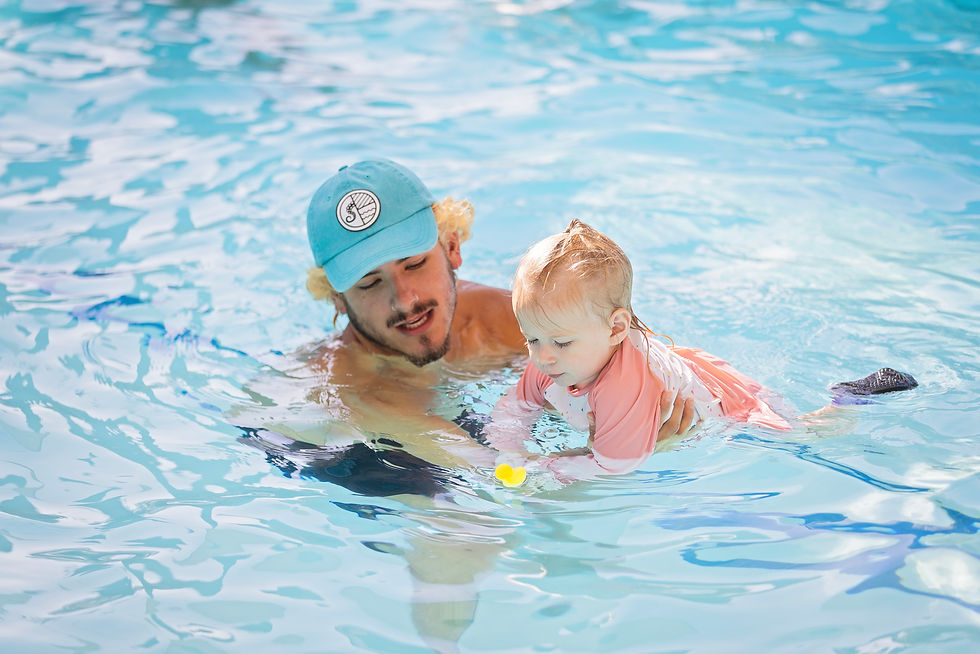
Swimming works every part of a child’s body. Kicking helps build leg strength. Reaching and pulling helps develop arm muscles. Moving through water improves balance and coordination. Even simple activities—like blowing bubbles or floating—teach body control in new ways.
2. Cognitive Skills
Swim lessons are full of instructions:
“Kick your legs”
“Look at the wall”
“Reach forward”
Children learn to listen, follow steps, and stay focused. These skills carry over into school and everyday life.
3. Emotional Confidence
Water can feel big and strange at first. But each time a child tries a new skill—like putting their face in or jumping in with a teacher—they feel proud. This kind of confidence builds courage in other challenges too.
4. Social Learning
In group classes, children learn to take turns, cheer for others, and work with their instructor. It’s a great way for shy kids to open up and for energetic kids to practice patience.
Swim Lessons Protect Your Child
As children take lessons, parents often notice quick progress. A child who once clung to the wall may now kick across the pool with a smile. This is wonderful—but it can also be misleading.
Young children may look capable, but they cannot reliably save themselves in a real

emergency. Even strong swimmers can panic if they slip into the water unexpectedly or fall in while wearing clothes. Simple skills like blowing bubbles or kicking are not enough to protect them in a surprise situation.
This is why professional lessons matter. Good instructors teach skills step-by-step, building safe habits from the start. They also help parents understand what their child can—and cannot—do yet.
Think of it like riding a bike: a child may pedal well in a driveway, but you wouldn’t let them ride alone down a busy street. Swim skills work the same way.
What Parents Should Keep in Mind
Celebrate progress — but stay safety-focused.
It’s exciting to see your child float or kick on their own. Enjoy those wins! Just remember that progress does not equal independence.
Supervision always comes first.
Even with lessons, young children need an adult within arm’s reach anytime they are around water—pools, bathtubs, lakes, even backyard kiddie pools.
Keep lessons consistent.
Just like reading or math, swimming skills grow with practice. Regular lessons help your child stay confident and comfortable in the water.
Conclusion
Swimming is a wonderful way for children to grow—stronger bodies, sharper minds, and bigger confidence. With proper lessons and active supervision, parents can give their children all the benefits of swimming while keeping them safe. So dive in, cheer them on, and enjoy watching them learn.


Comments