
The 5 Biggest Swimming Do’s & Don’ts This Summer

Summer is all about sunshine, splash time, and family fun. But w
hile pools, beaches, and lakes can create amazing memories, they can also be dangerous if kids and adults are not prepared around water.
The good news? Most drowning accidents can be prevented. Here are 5 things to avoid this summer — and 5 things every family should do to help keep kids safe around water.
The 5 Don'ts
1. Don’t Assume Someone Else Is Watching
At parties or family gatherings, adults often think another person is keeping an eye on the kids. That can lead to dangerous moments.
Drowning is usually silent and can happen very quickly. Pick one adult to be the “water watcher” at all times.

2. Don’t Trust Floaties Too Much
Inflatable arm floaties and pool toys are fun, but they are not safety devices.
Kids can slip out of them or feel more confident than they should in deep water. A properly fitted life jacket is a much
safer choice.
3. Don’t Think Swim Lessons Make Kids “Drown-Proof”
Swim lessons are incredibly important, but even strong swimmers still need supervision.
Kids can get tired, scared, or caught off guard in the water. Swimming skills help reduce risk, but parents still need to stay alert.
4. Don’t Leave Pools Open After Swim Time
Many accidents happen after swimming is already over.
Kids may wander back to the water to grab a toy or keep playing. Always close gates, lock fences, and remove pool toys when swim time ends.

5. Don’t Forget About Small Amounts of Water
Danger is not only in big pools.
Bathtubs, kiddie pools, buckets, and hot tubs can all be risky for small children. Never leave young kids alone near water — even for a minute.
The 5 Do's
1. Sign Kids Up for Swim Lessons

Swimming is more than just a sport — it is a life skill.
Swim lessons teach kids how to float, move safely in water, and stay calmer if they get into trouble. Plus, swimming is great exercise and tons of fun.
2. Stay Within Arm’s Reach
Experts call this “touch supervision.”
For young kids and beginner swimmers, stay close enough to reach them quickly if needed. Phones and poolside chats can wait.
3. Choose a Dedicated Water Watcher
At pool parties or lake days, take turns being fully focused on the water.
A good water watcher:

stays off their phone,
avoids distractions,
and keeps eyes on the kids at all times.
Even 15-minute shifts can make a huge difference.
4. Use Layers of Protection
The safest families use more than one safety tool.
Helpful layers include:
swim lessons,
pool fences,
alarms,
life jackets,
and CPR training.
Think of water safety like wearing both a seatbelt and using car brakes — every layer matters.
5. Teach Water Rules Early
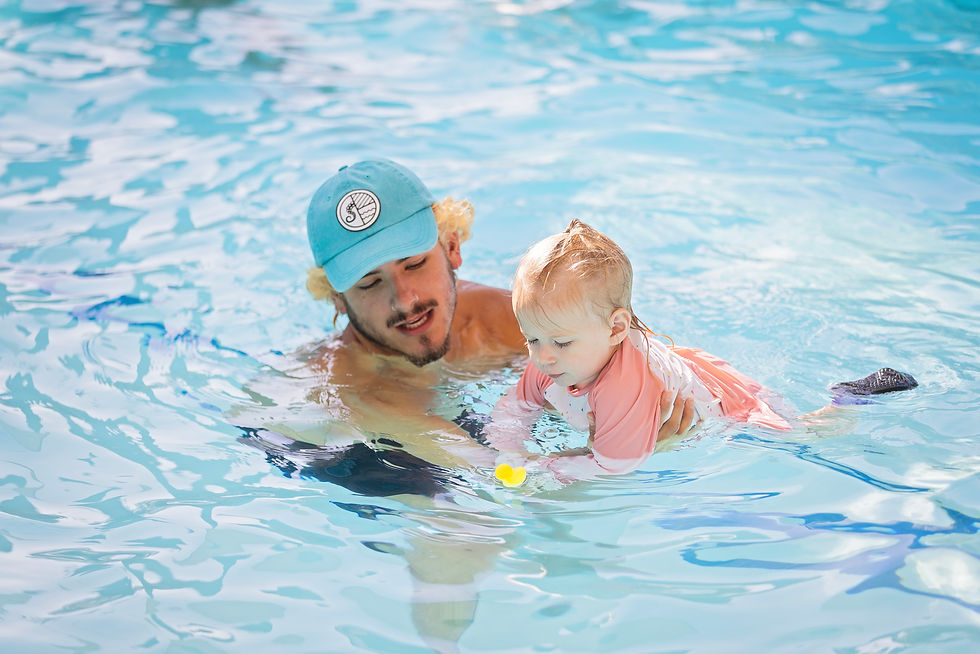
Simple rules can save lives.
Teach kids to:
never swim alone,
ask permission before entering water,
walk near pools,
and always listen to adults around water.
Practice these rules often so they become habits.
Water should be a place for laughter, confidence, and summer memories — not fear. By teaching swim skills and building smart safety habits, families can help kids enjoy the water safely all season long.
“Basic Swimming and Water Safety Skills Training for Children.” PubMed Central, U.S. National Library of Medicine, https://pmc.ncbi.nlm.nih.gov/articles/PMC10716997/. Accessed 15 May 2026. (Purdue OWL)
“Water Safety for Parents.” Johns Hopkins Medicine, Johns Hopkins University, https://www.hopkinsmedicine.org/health/wellness-and-prevention/water-safety-for-parents. Accessed 15 May 2026. (hopkinsmedicine.org)


Comments